Prep Time :- 5 mins
Cook Time :- 20 mins
Course :- sweet
Cuisine :- maharashtra
Servings :- 12 modak
Calories :- 221 kcal
|| INGREDIENTS ||
for stuffing:
- ▢1 tsp ghee / clarified butter
- ▢2 cup coconut (grated)
- ▢1 cup jaggery
- ▢½ tsp cardamom powder
for dough:
- ▢2 cup water
- ▢½ tsp salt
- ▢1 tsp ghee / clarified butter
- ▢2 cup rice flour
INSTRUCTIONS
stuffing preparation: –
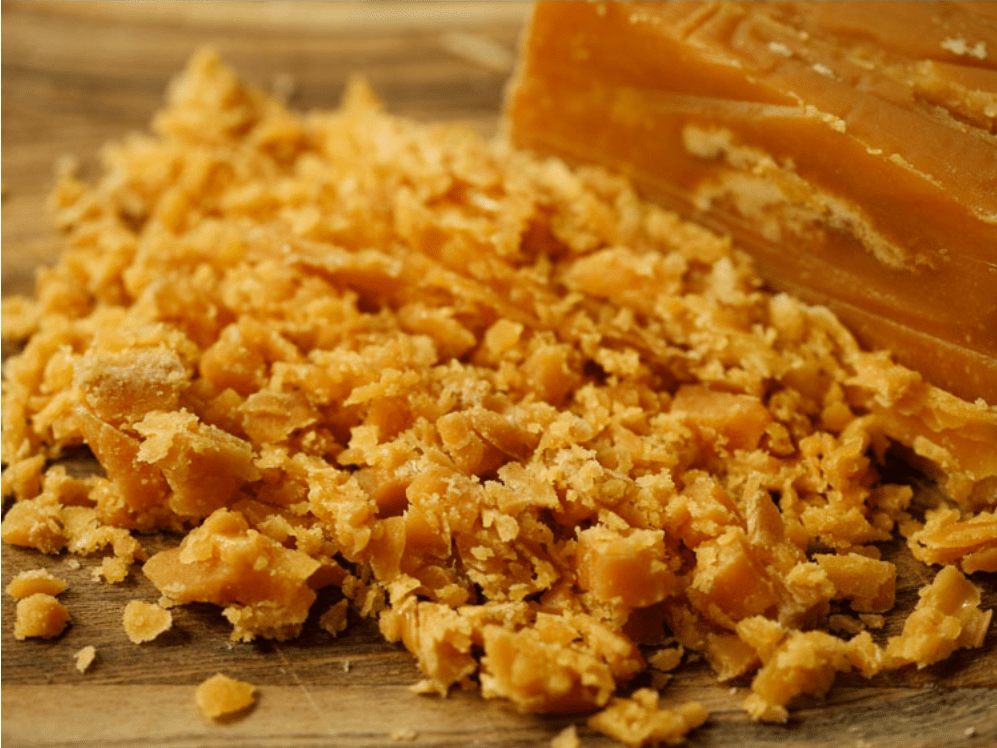
1 :- Chop the jaggery and keep aside. Also grate the coconut and set aside. You will need 1 cup jaggery and 1 cup fresh grated coconut.
If you do not have access to fresh coconut, then use frozen coconut or desiccated coconut. For desiccated coconut use fine grates or fine shreds.
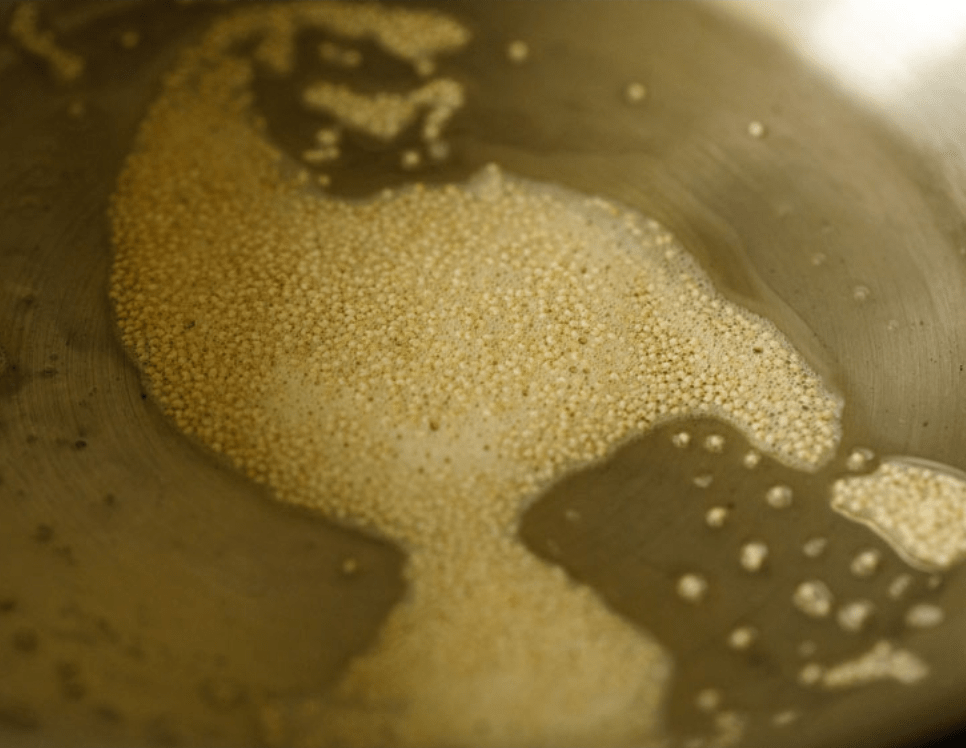
2 :- Heat ghee in a pan. Add ½ teaspoon poppy seeds. Keep flame to a low. Fry for some seconds till the poppy seeds start crackling.
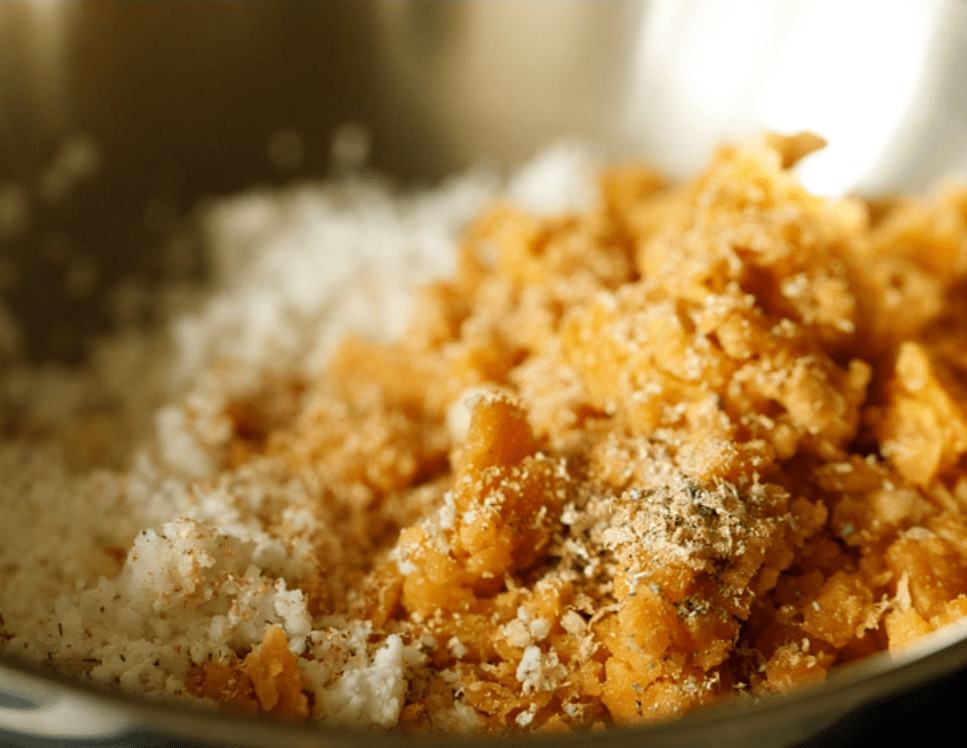
3 :- Then add 1 cup grated fresh coconut (100 grams) and 1 cup chopped jaggery (200 grams).
4 :- Mix well and cook this coconut-jaggery mixture on a low flame.
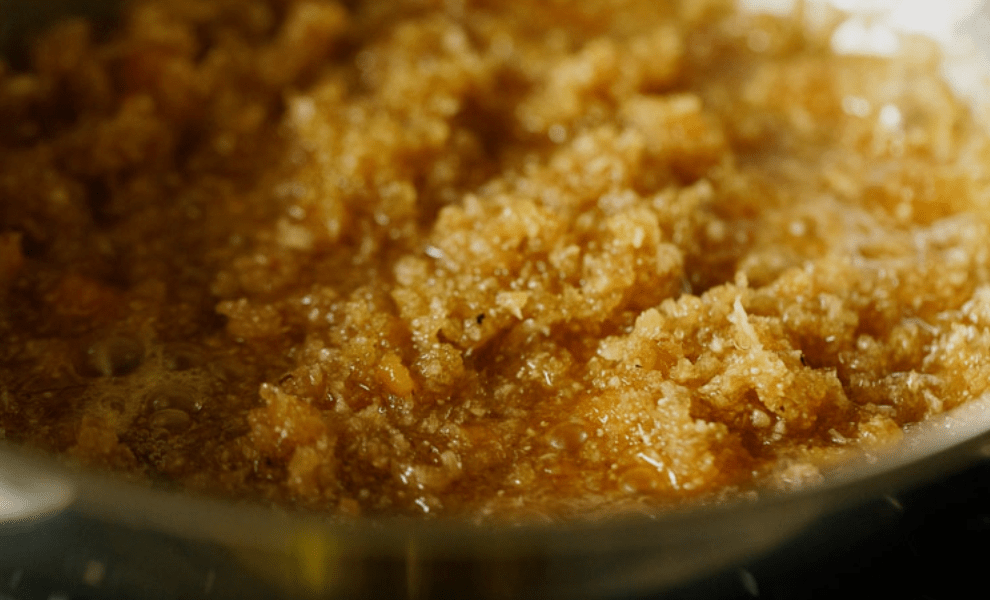
5 :- The jaggery will melt first. Cook on a low flame and stir often.
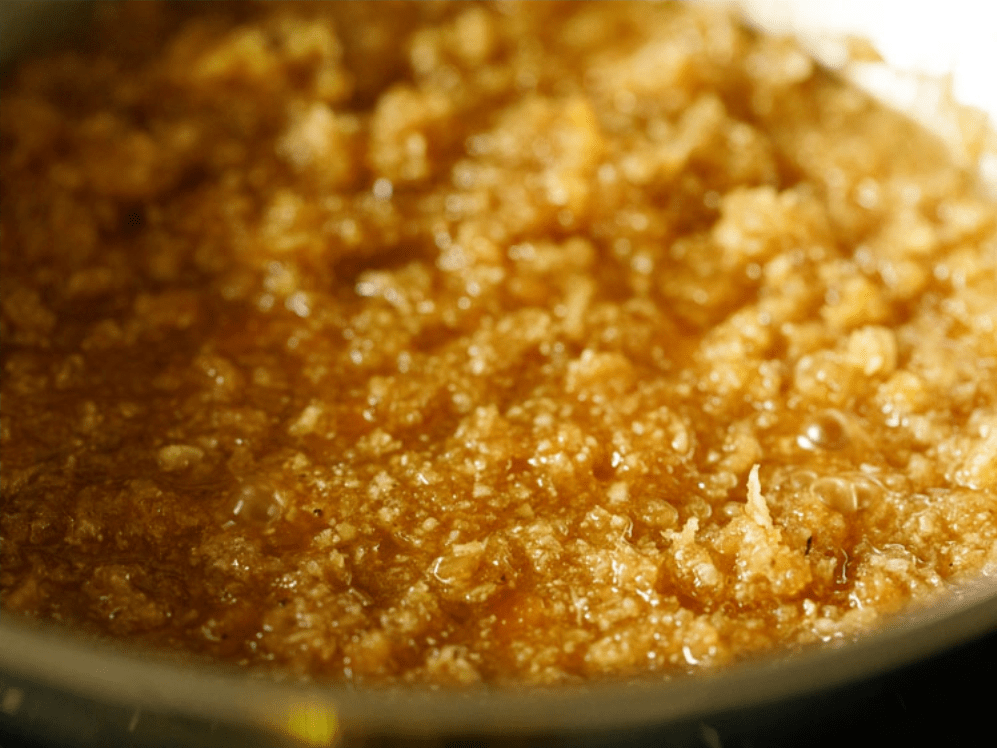
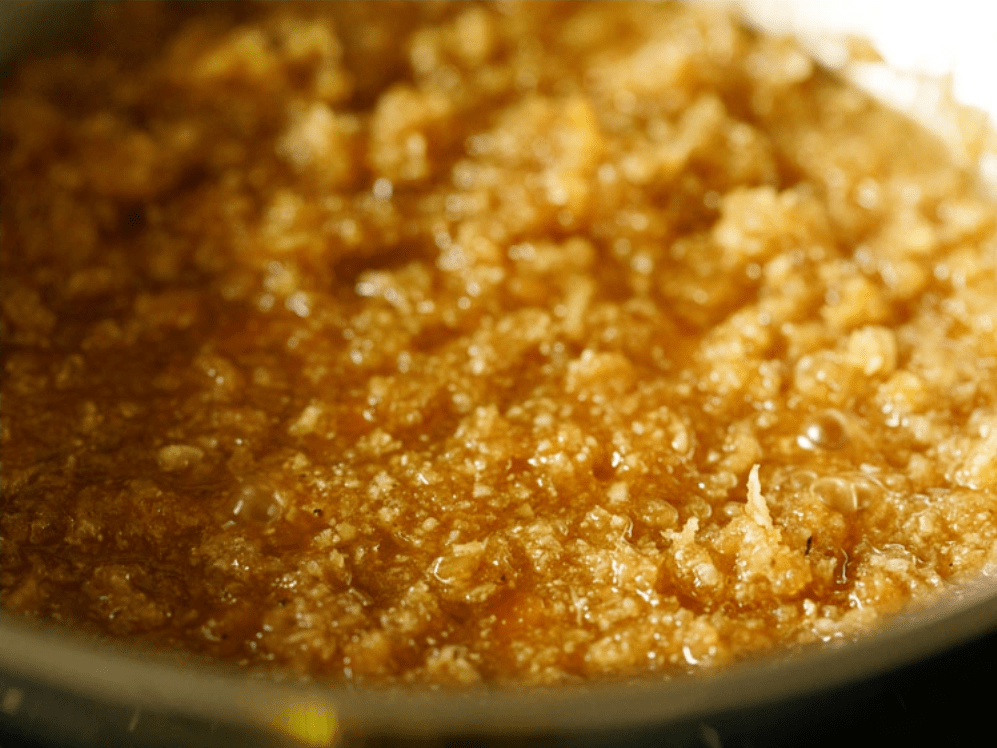
6 :- Stirring often cook this mixture till the moisture from the jaggery begins to dry – about 7 to 9 minutes. Switch off the flame.
Don’t overcook as the jaggery then hardens. Keep this coconut-jaggery filling aside and let it cool completely. On cooling, the mixture will thicken more.
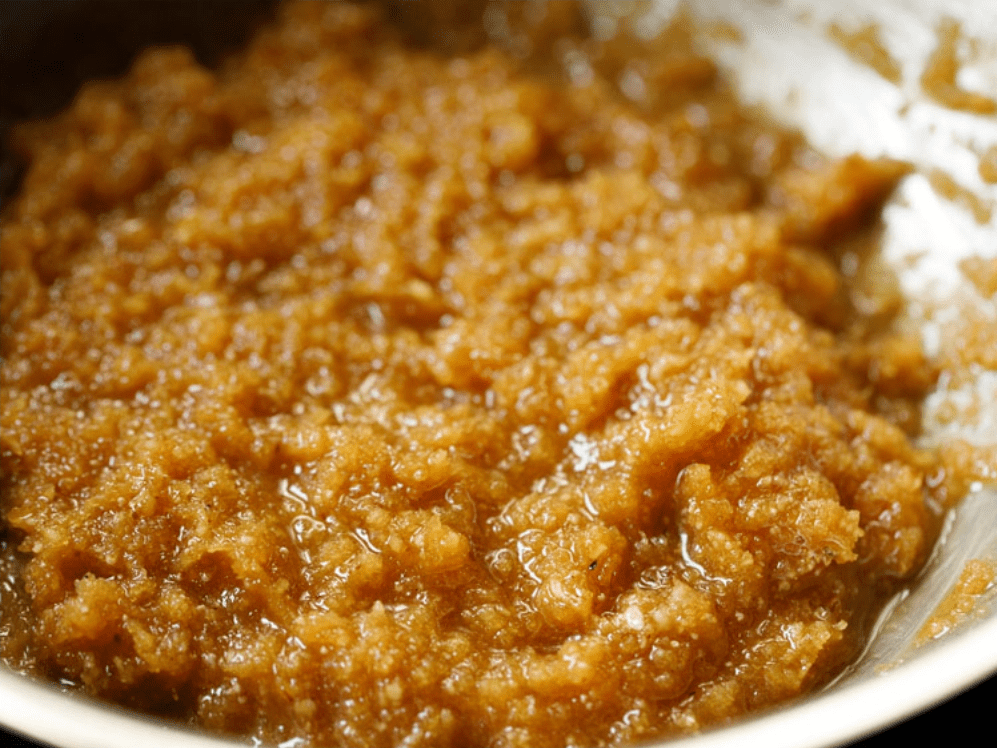
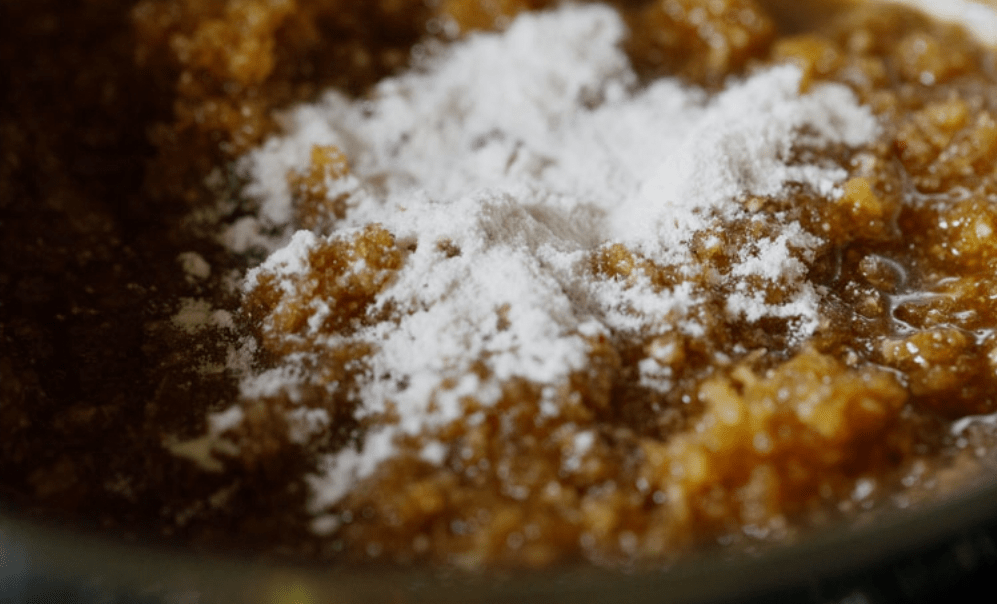
7 :- The following is an optional step. You can add 1 tablespoon rice flour to this mixture and mix well.
The rice flour helps to absorb moisture if any from the stuffing. Set the stuffing aside.
|| Make rice dough ||
1 :- In a pan add 1.5 cups water, ¼ teaspoon oil or ghee and ¼ teaspoon salt. Keep it on the stovetop.
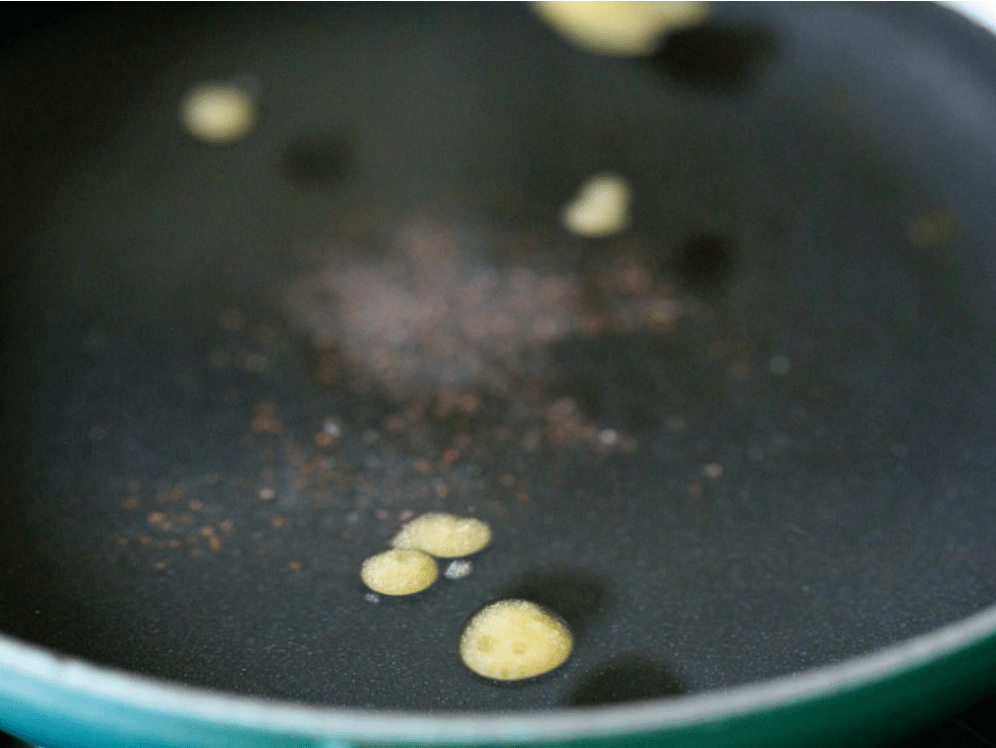
2 :- Let this mixture come to a boil.
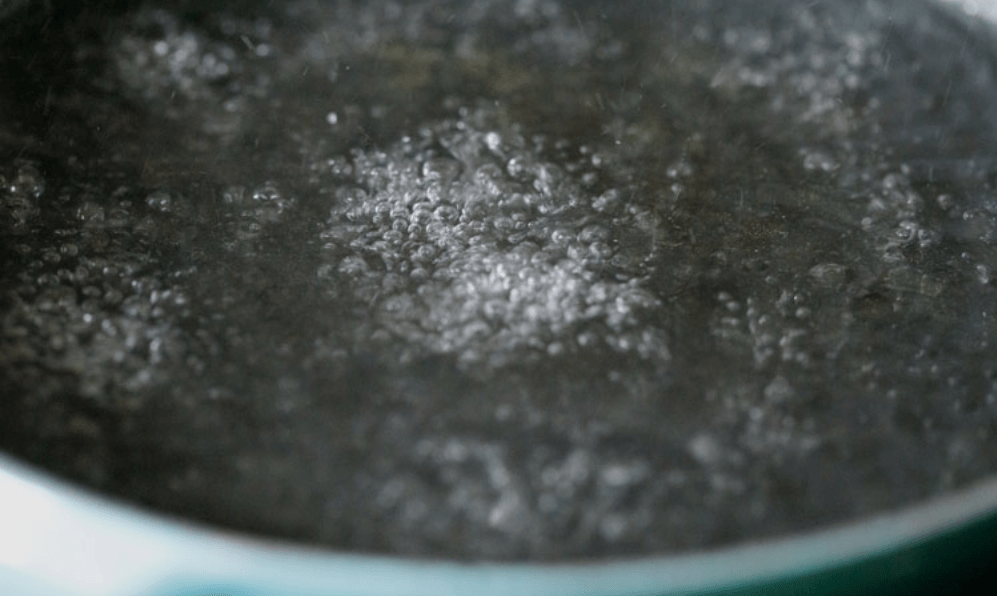
3 :- Add 1 cup rice flour (150 grams). You can use homemade rice flour or packaged flour. Make sure the rice flour is fresh and within its shelf period.
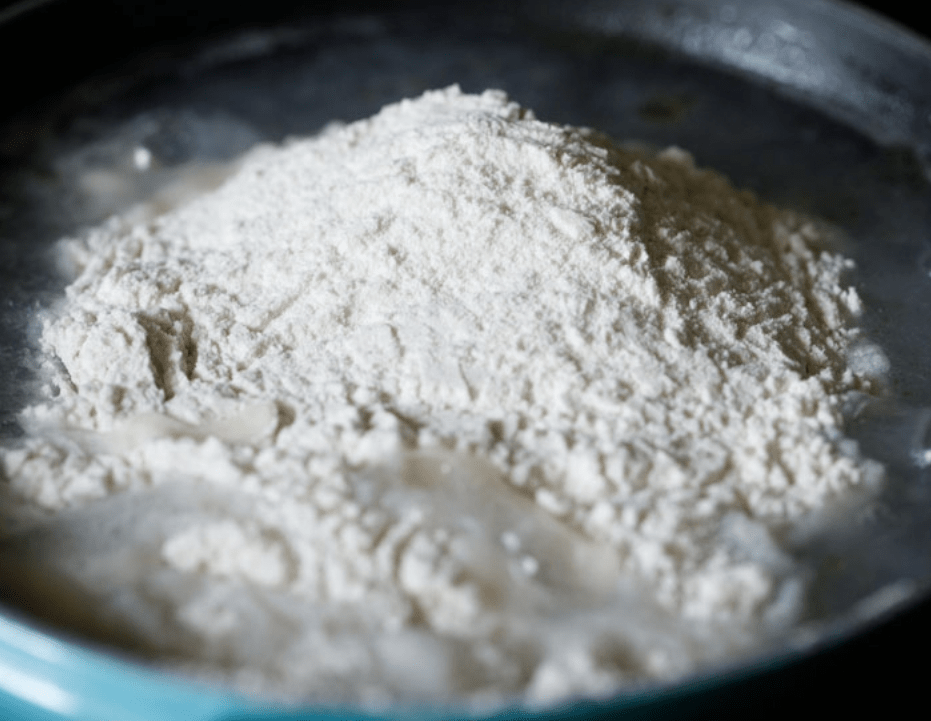
4 :- Quickly stir and mix the rice flour with the water.
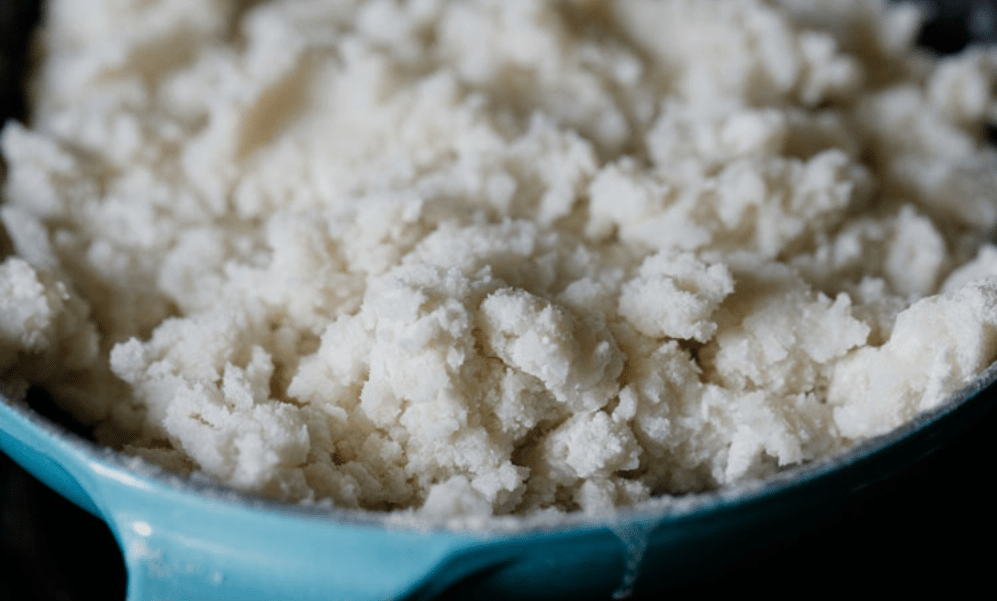
5 :- Stir till all the rice flour is mixed with the water. Switch off the flame. Remove the pan from the burner and keep on the workplace. Cover the pan with a lid for 4 to 5 minutes.
6 :- Now take all the dough in a plate or thali or in a bowl. Gather the dough together and begin to knead it.
The dough will be hot when you begin to knead. So apply some water on your palms and knead the dough. Knead the dough very well.
If you feel the dough looks dense or hard or dry, then just add a few teaspoons of warm water and continue to knead.
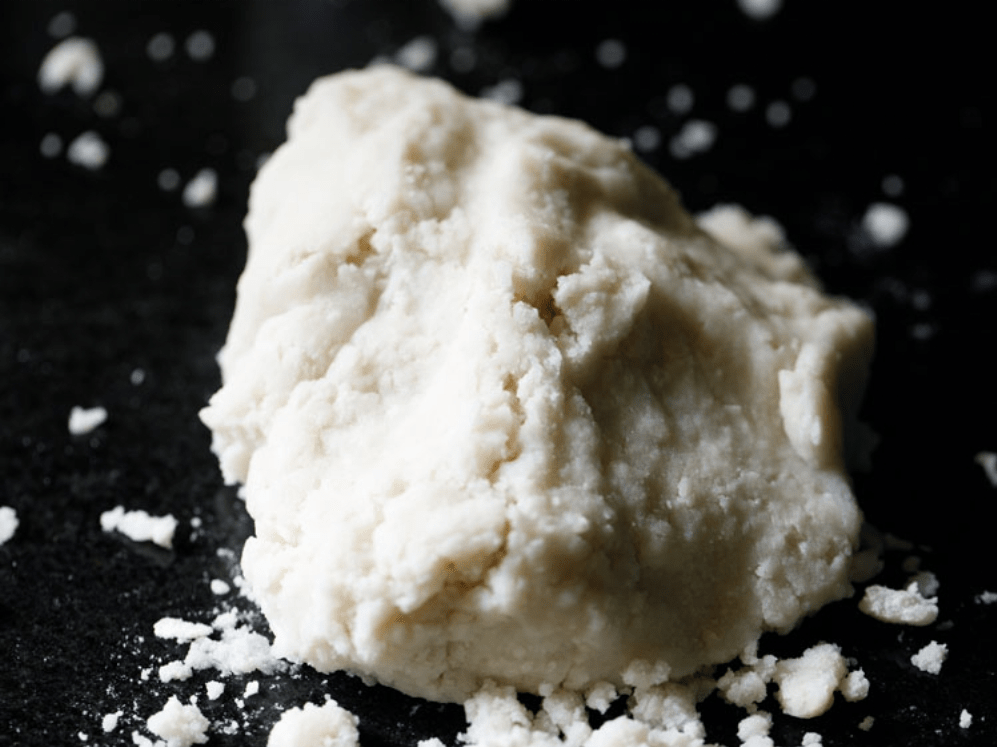
7 :- Knead to a smooth and soft dough without any lumps.
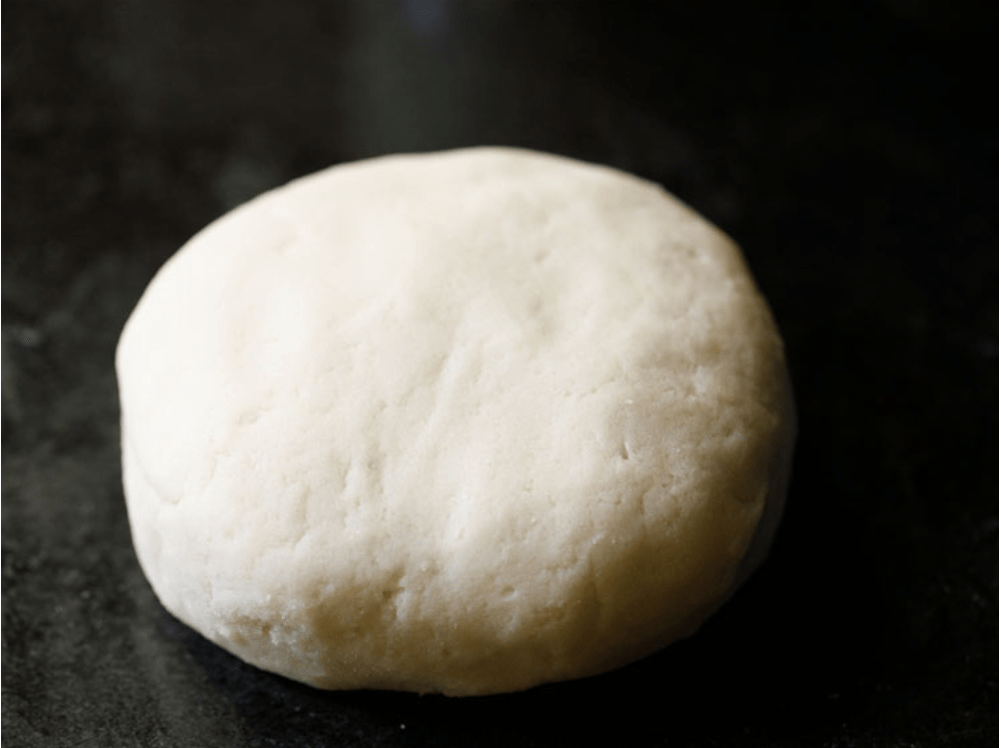
8 :- Make small balls from the dough. Roll the balls till smooth in your palms. You can also apply some water on your palms, while rolling the balls. Keep the balls covered with a kitchen towel. The balls should not have cracks. They should be smooth in appearance.
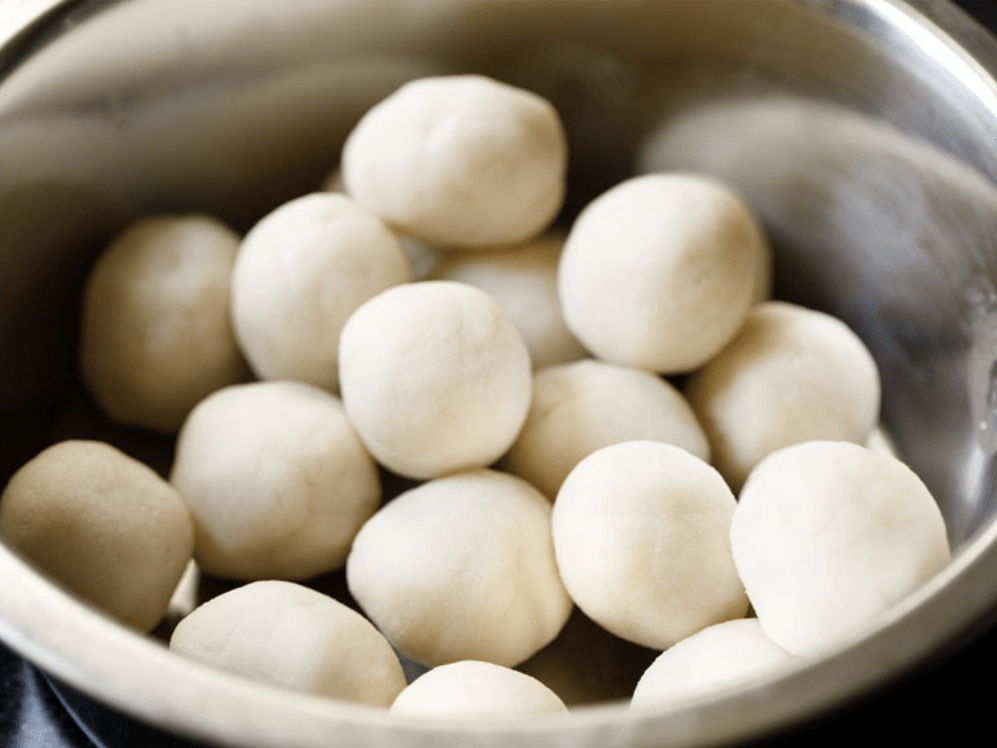
|| Shape modak without mould ||
1 :- Take a ball and flatten it with your fingers or on your palms, to a round disc or a shallow bowl shape to a medium thickness.
You can apply ghee or oil in your palms, while flattening. You can keep the edges slightly thin and the center can be thick.
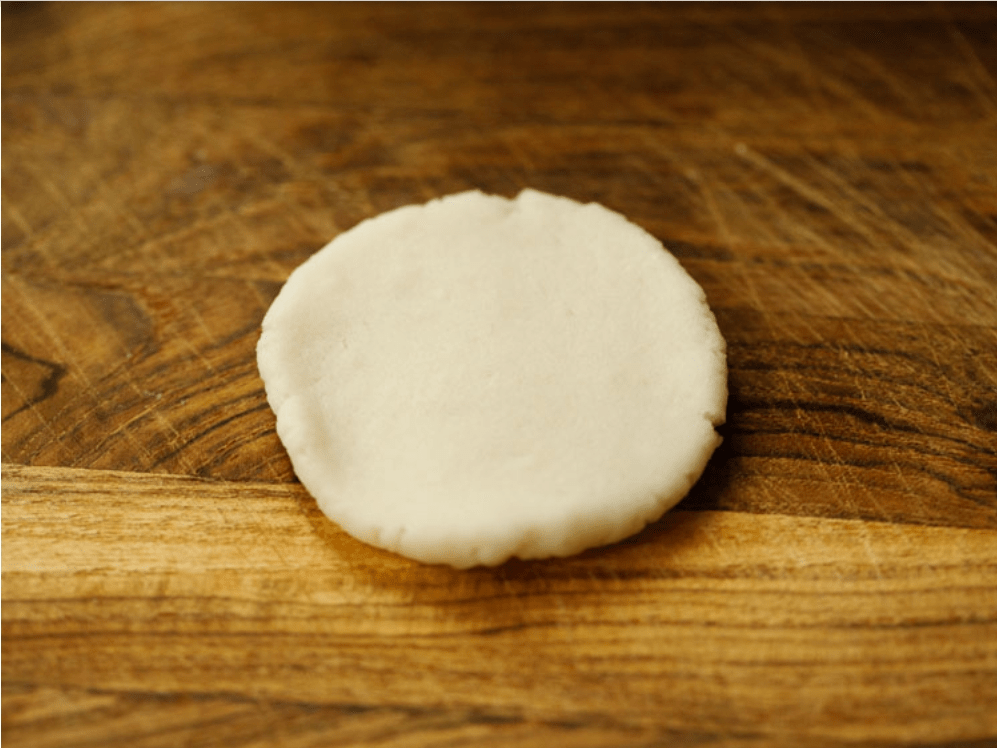
2 :- Place a few teaspoons of the prepared stuffing in the center.
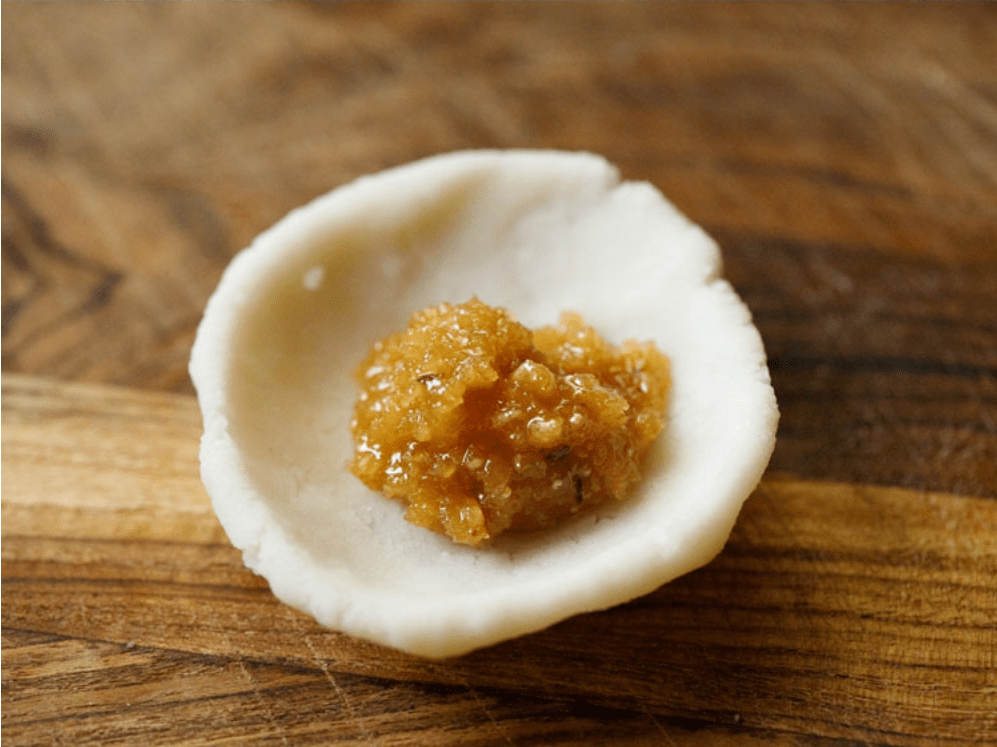
3 :- Press the edges as shown in the pic below. You can also press the edges first and then place the stuffing.
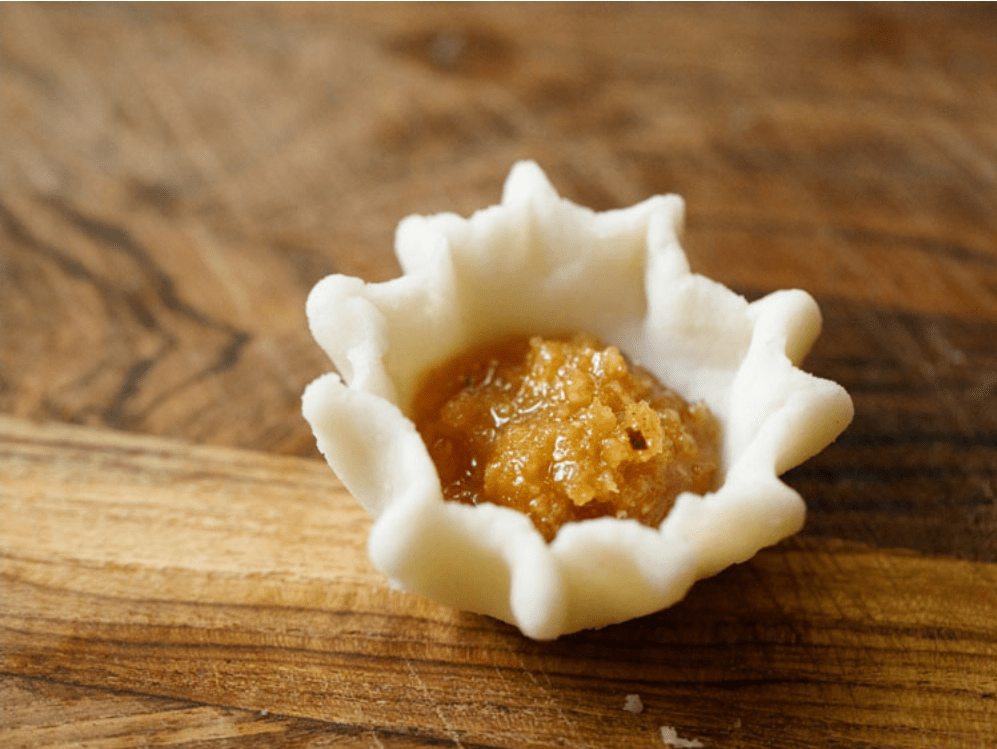
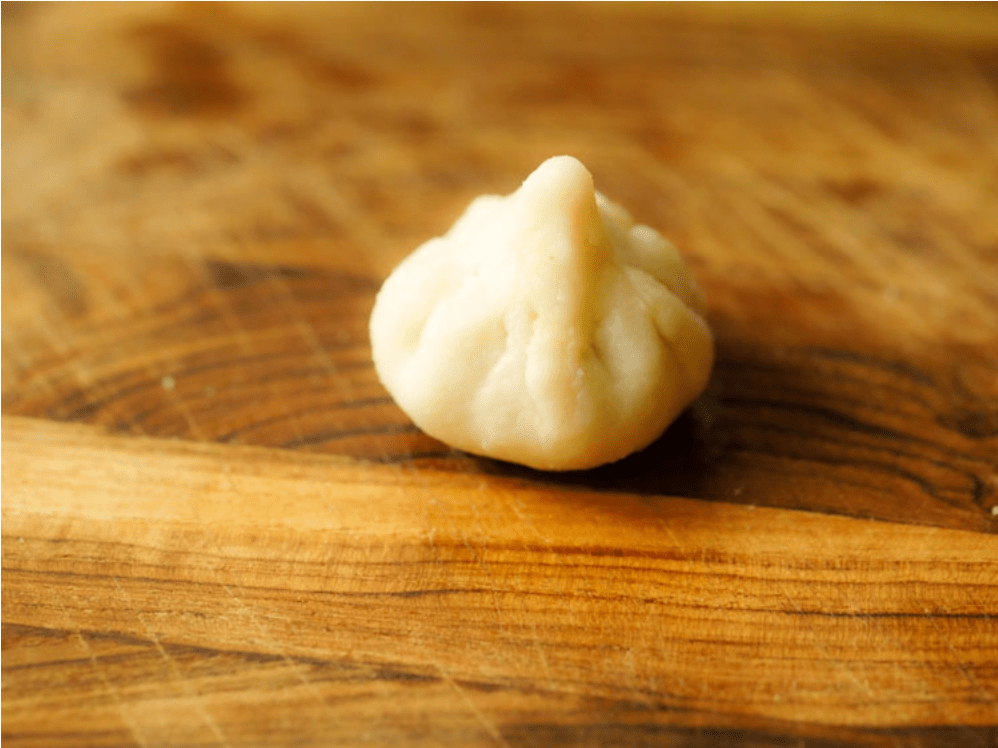
4 :- Bring together all the edges and join them. Remove the extra portion of the dough from the top, if any. Shape and taper the top of the modak with your fingers.
You can also use ready modak moulds. They are usually available in shops and market some days before the Ganesh Chaturthi festival.
|| Make modak with mould ||
1 :- Grease the modak mould with a bit of ghee or oil. Then close or lock the mould. Put the dough ball inside the mould and press it so that a space is made in the center. The rice dough will form a layer touching the walls of the mould.
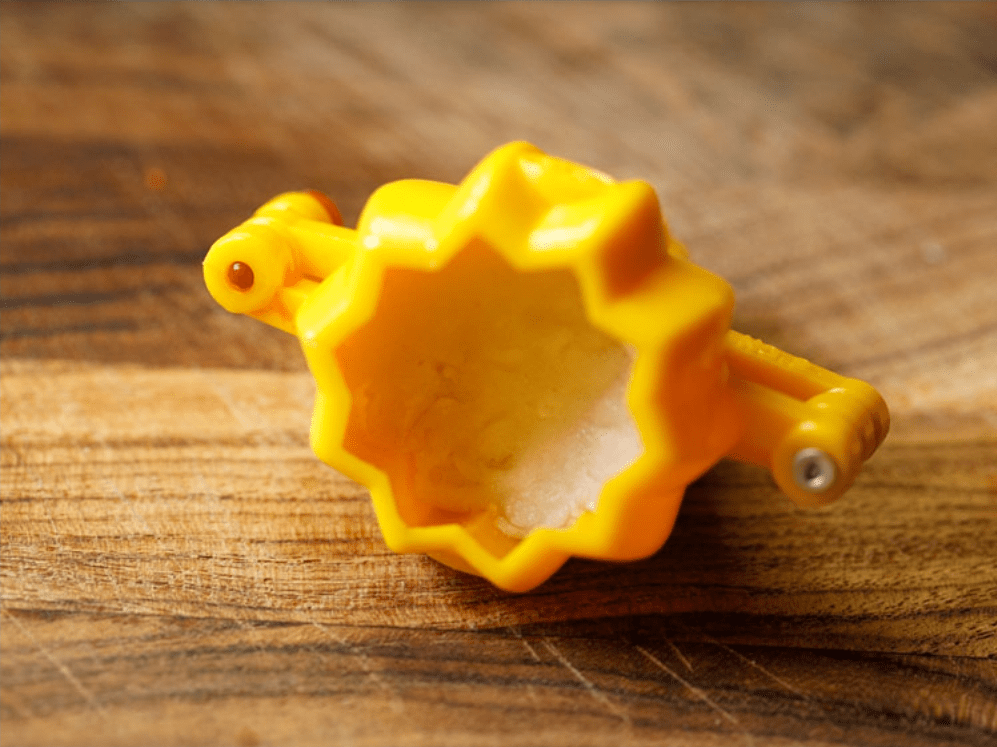
2 :- Place the sweet stuffing.

3 :- Cover the bottom with a small piece of dough. Press and smoothen it sealing the modak.Cover the bottom with a small piece of dough. Press and smoothen it sealing the modak.
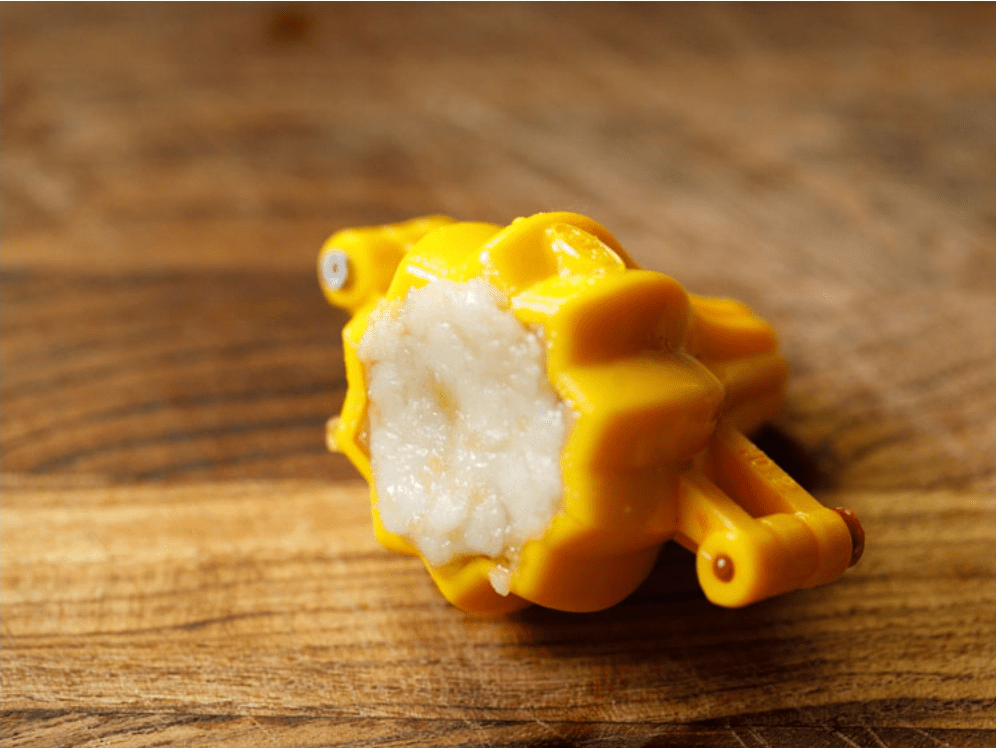
4 :- Open or unlock the modak mould. Remove the modak gently from the mould. Shape all modaks this way with mould. Keep the shaped modak covered with a napkin so that the rice dough does not dry out.
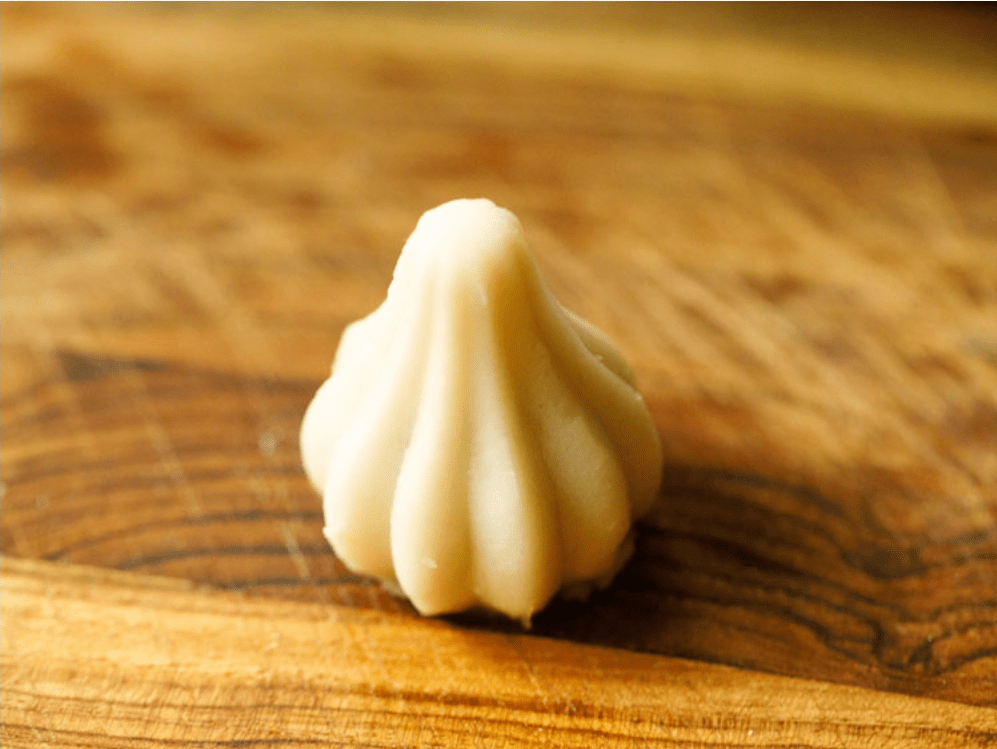
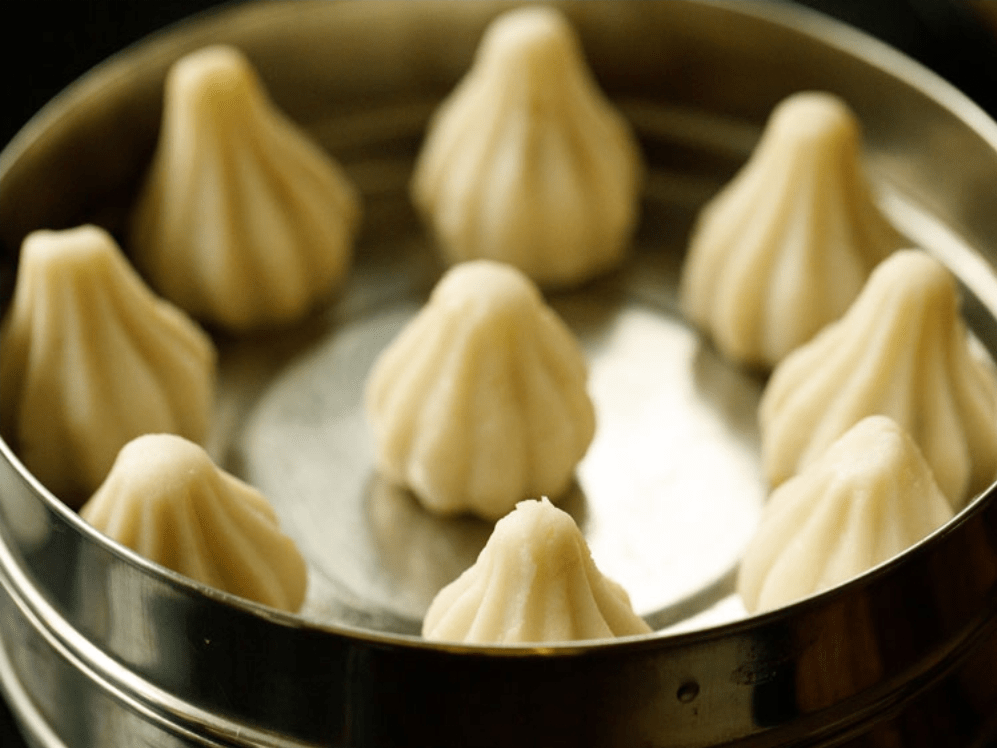
5 :- Make all the modak this way. Brush or grease a pan with some oil or ghee. The pan can also be lined with banana leaves or turmeric leaves. Place the shaped modak in the greased pan with some space around them.
|| Steaming Modak ||
1 :- Take 2 to 2.5 cups water in a pot, pressure cooker or an Instant Pot steel insert. Place a trivet or a rack. Heat the water till starts to boil on a high flame. For instant pot, use the sauté option and let the water begin to boil.
2 :- I have stacked two pans for steaming 16 modak. But you can also steam the modak in separate batches. Just cover the shaped modak with a moist muslin or cotton napkin before you begin to steam.
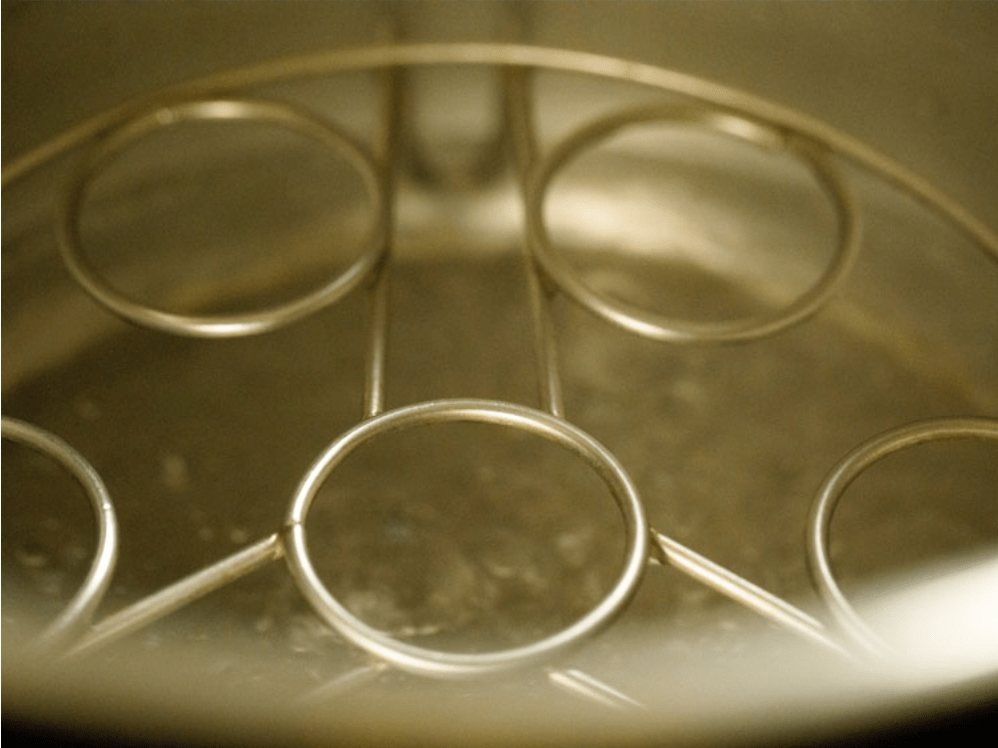
3 :- Cover the pan and steam modak for 10 to 15 minutes on medium-low flame. On the Instant Pot, use the steam function on high for steaming and keep the steam vent in venting position so that the steam releases while steaming.
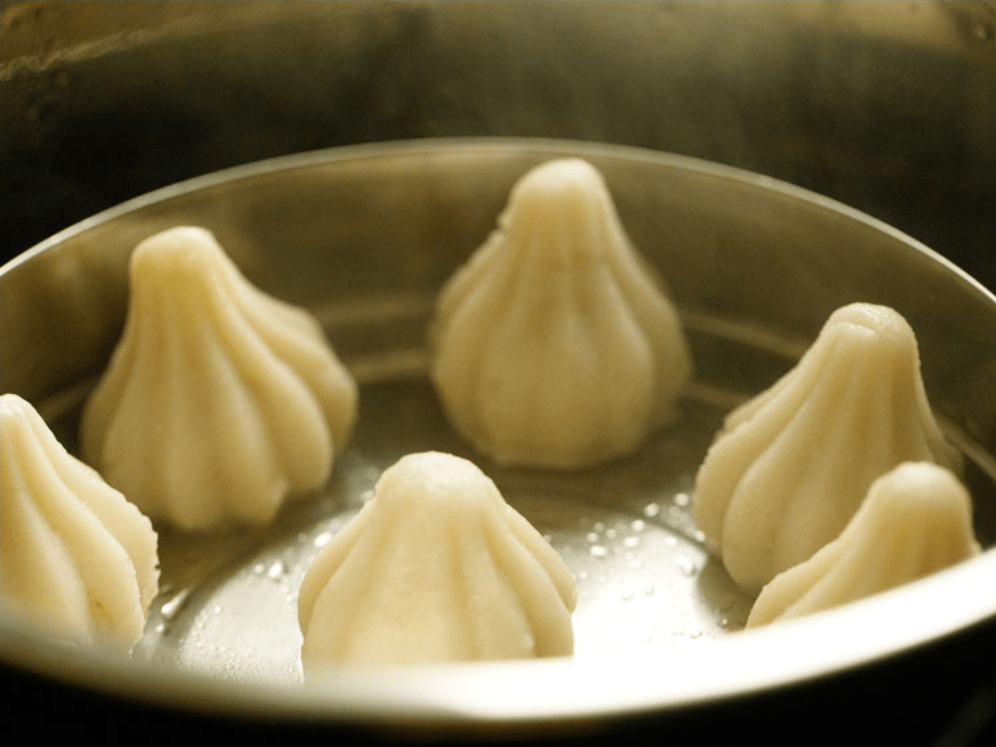
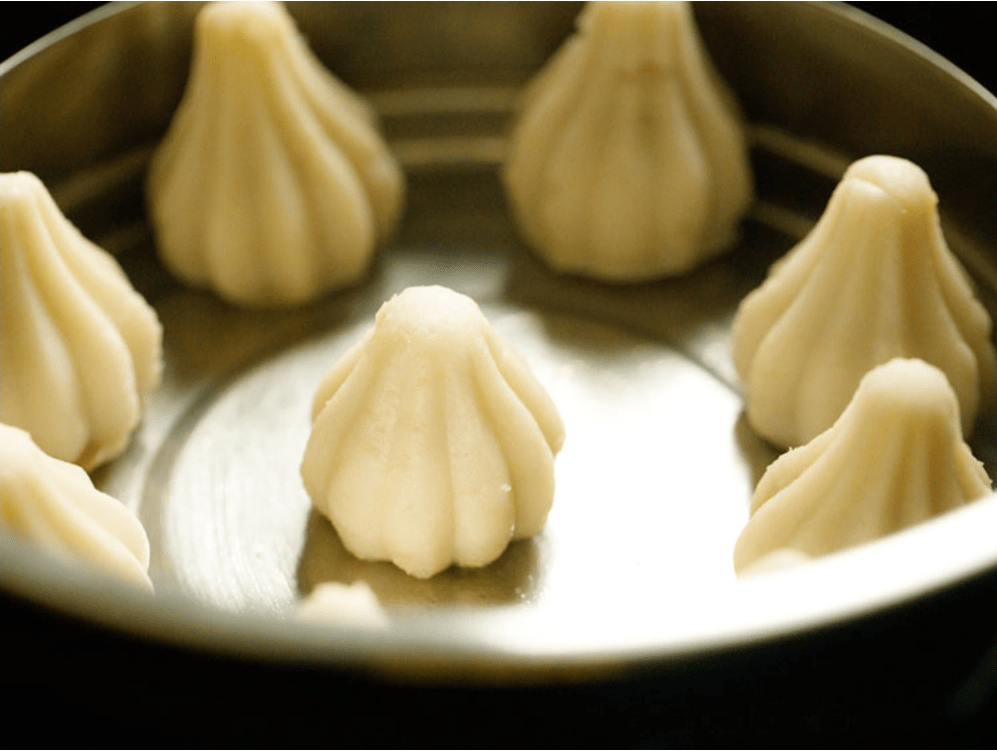
Use a stop watch to set the time to 10 or 12 minutes. Once the ukadiche modak are steamed, you can drizzle a few teaspoons of ghee on them.
Some modak may crack while shaping or steaming, but it is fine. You can forgive yourself if you are making modak for the first time.
4 :- The ukadiche modak are ready to be offered to Bhagwan Ganesha. Modak stay good for a couple of days in the refrigerator. While serving after refrigerating, steam them in a pan till warm or sprinkle some water on them and microwave till warm.
Expert Tips for Perfect Modak
- Rice dough: While making modak recipe, the most trickiest part for many is to get the correct texture in the rice dough. If the dough is dry, you will find it difficult to shape and the resulting texture after steaming will be chewy and dense. The proportion of rice flour to water I use work perfectly for a smooth and soft dough. However do note that depending on the texture of rice flour, you may need to add a bit less or more water.
- Stuffing: Overcooking the stuffing will result in the jaggery become hard and chewy. If this happens, then just sprinkle a few tablespoons of hot water in the mixture and stir well. The hot water will breakdown the hard consistency of the jaggery and make them soft. You can even sprinkle some water and cook the mixture on low heat until it softens.
- Cracks in the dough: Less water will result in the dough being dry and having cracks. If you add more oil or ghee than this will result in the dough tearing when you shape it.
- Flattening and Shaping: Do not flatten the dough too thin or too thick. A thin dough will tear while shaping and a thick dough will take more time to cook and does not taste pleasant.
Vegetarian
4.97 from 109 votes • 137 CommentsShares441Step by StepJump to Recipe
 Beyond Eating